1 Billion People Suffer From Sleep Apena. The Future of Treatment Is No Longer Just CPAP. - Men's Health

What the report says
Men’s Health reports that obstructive sleep apnea is widespread, difficult to diagnose and often hard to treat, even though untreated cases can carry serious health risks. The article frames the issue through “Landon,” a 39-year-old hair stylist in Chicago who initially suspected allergies before an at-home sleep study found sleep apnea. He eventually adapted to a CPAP machine, but described the early months as highly uncomfortable.
The story says an estimated 1 billion people worldwide have sleep apnea, including nearly 84 million adults in the United States, with about 80% of U.S. cases undiagnosed. It cites specialists who describe obstructive sleep apnea as repeated airway blockage during sleep, causing breathing pauses, oxygen drops and repeated awakenings. Doctors use the apnea-hypopnea index to rate severity, with higher scores reflecting more frequent breathing interruptions.
Men’s Health emphasizes that CPAP remains the standard treatment for many patients, but adherence can be difficult because masks, tubing and pressure can feel restrictive or claustrophobic. The article notes that some patients pursue alternatives such as surgery, implanted devices or custom oral appliances, while researchers are also testing a potential pill aimed at the biological causes of airway collapse.
The broader significance is that sleep apnea can affect daytime functioning and may be associated with cardiovascular, cognitive, metabolic and mood-related problems, according to the experts quoted. The report also highlights a gap in routine medical screening, with sleep physicians saying primary-care training and office visits often do not give sleep disorders enough attention.
Loading debate for this article…
Other publishers covering this story
No additional verified coverage is currently clustered with this report.
Related reporting
 Medicine shortages undermining village health teamsThe Observer
 Depression: Walking Through the Three Corners of Life Toward HealingNile Post
 Ebola: Uganda Reinstates Traveller Locator FormsNile Post
 Uganda remains Ebola-free as Health ministry probes Nigerian traveller infected with virus - Daily MonitorDaily Monitor
 Atwine Warns Border Officers Over Ebola Screening Lapses at MpondweNile Post
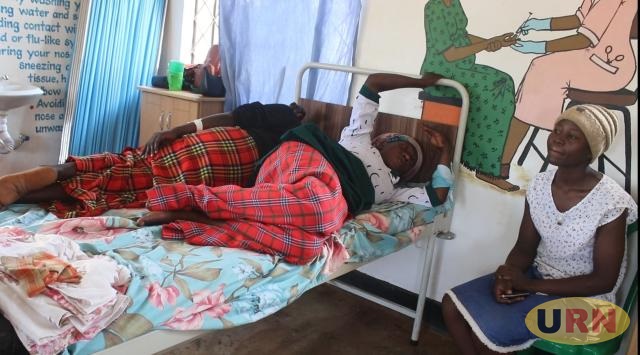 Rising patient numbers strain Bulucheke Health Centre IVThe Independent Uganda